INDUSTRY
Blockchain for Financial Inclusion: Banking the Unbanked?
How blockchain can help bank the unbanked. Financial inclusion remains a pressing global challenge for the billions of people around the world who lack access to basic financial services.
SL
Sam Liddell
Content Lead
August 13, 2024
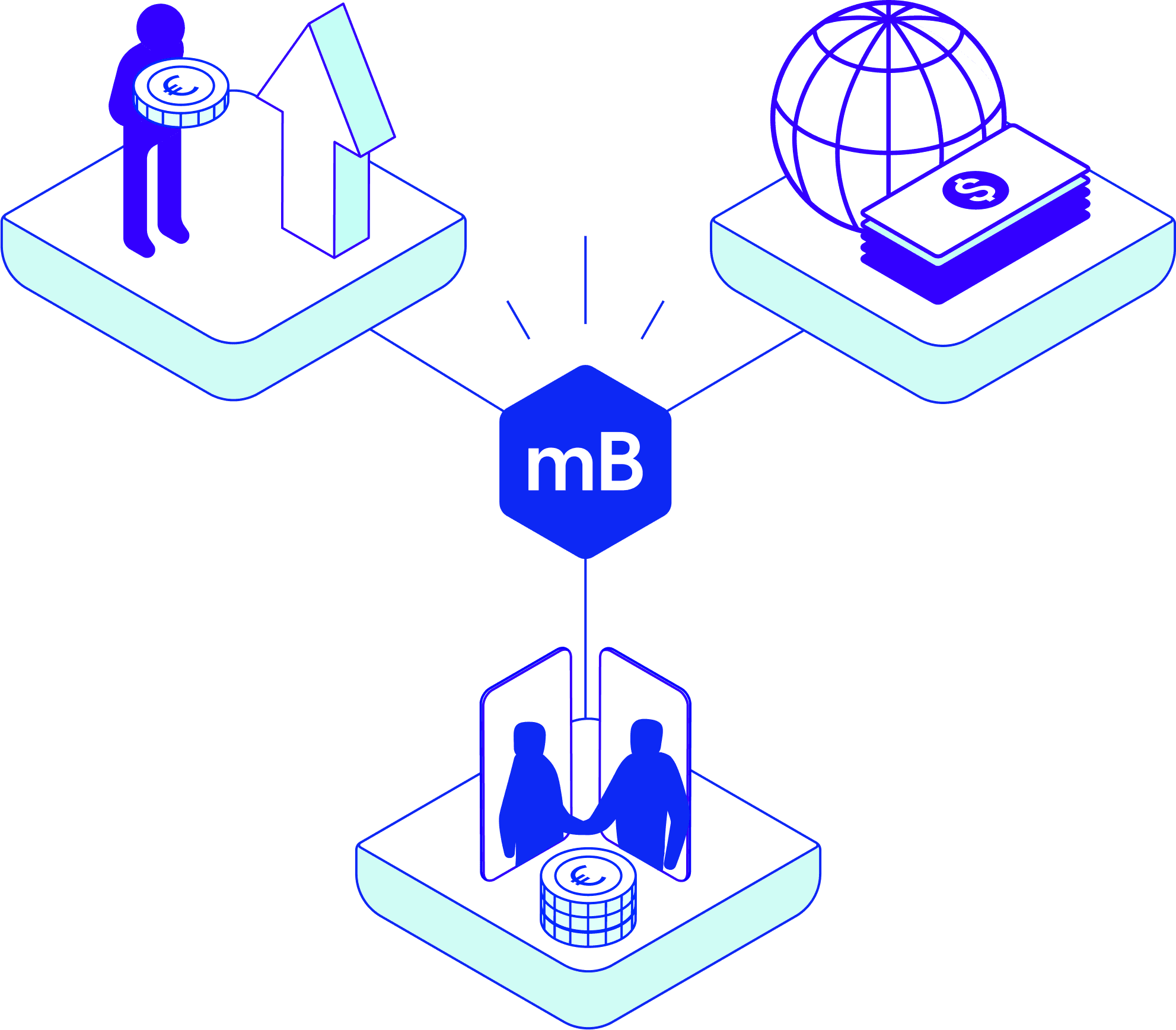
Financial Inclusion's Global Scale
The World Bank estimates close to one-third of all adults -- 1.7 billion people -- are being excluded from financial services, with a disproportionate number being women. Financial inclusion not only facilitates day-to-day living but helps people plan for long-term goals and emergencies. In Kenya, mobile payment provider M-Pesa allows people to transfer money and pay bills through their phones, with 96% of the population having a mobile money account. Since 2010, at least 55 countries have made commitments to financial inclusion, with over 60 having launched or developing national strategies. Seven of the 17 UN sustainable development goals mention financial inclusion as an enabler.
Global Challenge
1.7 billion adults worldwide lack access to basic financial services. McKinsey estimates that digital ID programs could unlock 3-13% of GDP by 2030.
Digital IDs & Blockchain
KYC (Know Your Client) requirements mean that without identity documentation, there are no opportunities for the unbanked to build credit history or access financial services. Sam Altman's Worldcoin uses eye-scanning devices to tokenise iris-based biometric identity into a verifiable Digital ID on the blockchain. BanQu creates secure and verified IDs for vulnerable populations through facial and voice recognition. The World Identity Network has partnered with the UN to explore blockchain's potential for providing secure identification for the 2 billion people who lack such documentation. Over time, users build up a financial ID, eventually being able to open bank accounts, own property, and access healthcare.
Over time, users build up a financial ID, eventually being able to open bank accounts, own property, and access healthcare and other basic services. -- Tatsiana Hulko, United Nations
Leapfrogging Technologies
Developing nations can leverage new technologies to make leaps in development. The mobile revolution put phones in the hands of billions, allowing developing nations to skip landline infrastructure entirely. In Africa, about 75% of internet traffic comes from phones. China's mobile payment adoption went from 35% in 2015 to over 67% in 2018, with WeChat Pay and Alipay reaching over 1 billion active users. Blockchain has the chance to ride on the shoulders of giants -- mobile phones and digital payments -- increasing access to even more efficient, secure, and innovative financial services.
Why Blockchain?
Blockchain transactions can compete with traditional payment methods in scalability and cost. Payment giants Mastercard and Visa are already getting in on the action. Smart contracts automate financial processes and reduce the need for intermediaries and paperwork. Blockchain's decentralised and cryptographic nature provides high levels of security and accountability. The transparent and immutable nature can enhance tax accountability -- imagine sales tax coded into a smart contract, automatically collected with every transaction. And decentralised finance (DeFi) protocols like Uniswap, which surpassed $1 trillion in trading volume, demonstrate how blockchain enables open, democratic access to financial services.
- Cost-Efficient Payments: Competing with traditional systems at scale
- Automated Accounting: Smart contracts reduce intermediaries
- Enhanced Security: Decentralised, cryptographic data protection
- Tax Transparency: Automatic, immutable collection and reporting
- Open Finance: DeFi democratises access to investment services
Banking On Blockchain
Blockchain wallets allow people to store digital assets securely, crypto tokens provide a way to store and exchange value, and financial services built on top allow people to access credit. When payments are made with digital currencies from internet-connected phones, traditional banking infrastructure starts looking redundant and expensive. Blockchain's low-cost, secure, and transparent means of exchange makes it a very real rival to traditional banking services. Services like crypto banks Nuri and Nexo, and DeFi protocols like Curve and Uniswap, are already rising to meet this need.
We believe this can help bring people out of poverty by giving them banking tools that can provide liquidity for entrepreneurial ventures via loans, investment, online work, and crypto-financing. -- Alex Fork, CEO of Humaniq
Conclusion
The old systems have done well for many -- but we need new systems that include everyone. Blockchain can make payments cheaper, provide verifiable proof of identity, and help alleviate poverty and democratise finance. From Bitcoin and Worldcoin to Uniswap, we have ample examples of innovative, democratic, and inclusive financial products. As blockchain applications mature, education spreads, and regulations catch up, the frequency of scams and vulnerabilities will be reduced. We will embrace a hybrid of digital and traditional technologies as we stride towards financial inclusion.