Share fraud signals with proof of origin.
Fraud crosses sectors, but each bank, webshop or carrier sees only its own piece. mintBlue lets them share signals with proof of origin and no central database.
Trusted by government and industry






We have wanted to share data between our fraud portals for a long time. I did not think it could be done, but with mintBlue it simply can!
Sanne Bannink
Strategic Account Manager, Fraudehelpdesk

Verification problems we solve
Fraud signals, victim referrals, passport photos and business records raise the same questions: where did this come from, and who may see it?
How it connects
From signal to proof in three steps
Each organisation keeps its own data. Only the signal travels, signed by whoever shared it.
- 01
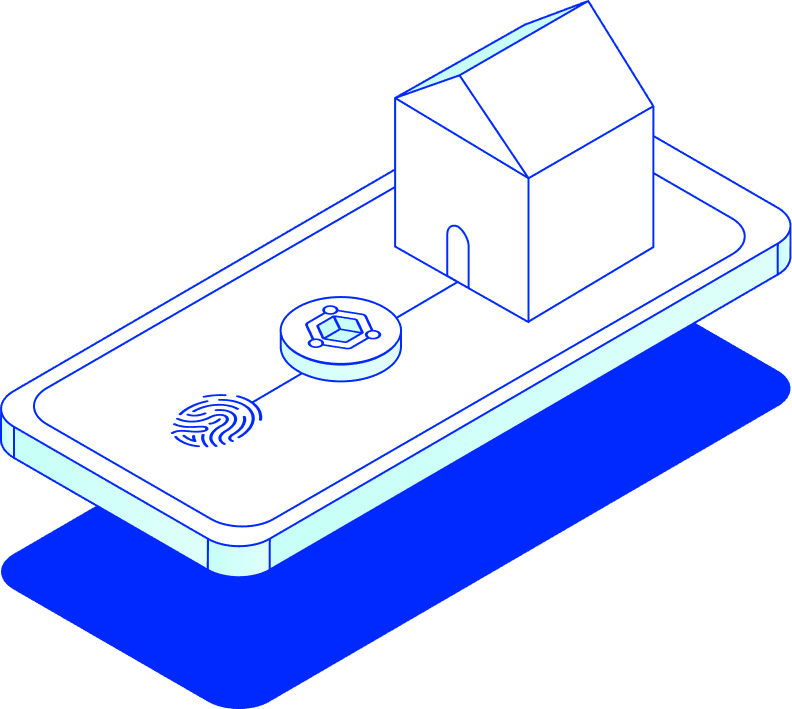
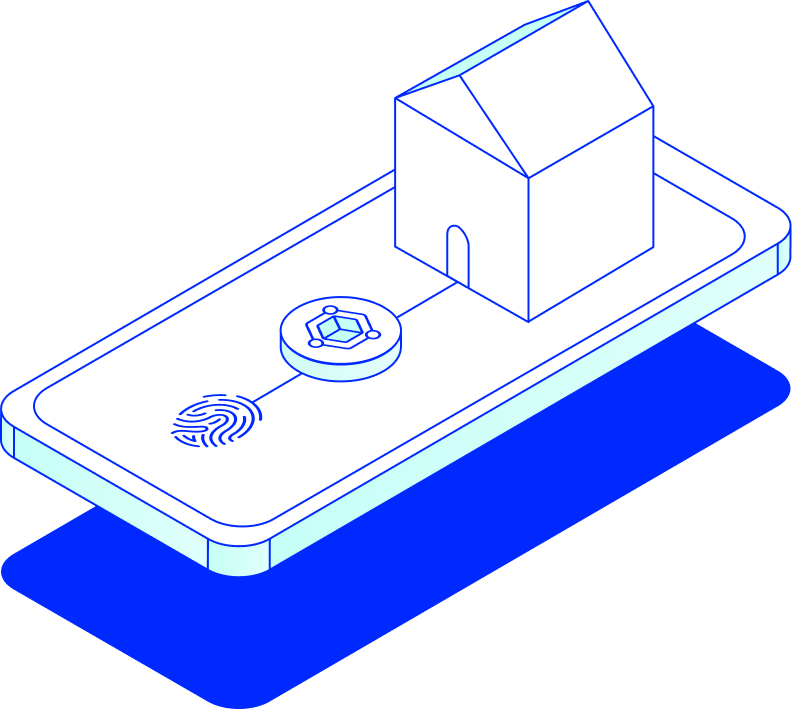
A connector in your own environment
It runs next to the systems where your fraud cases are handled today, picks up the signals you choose to share and signs them at the source.
- 02
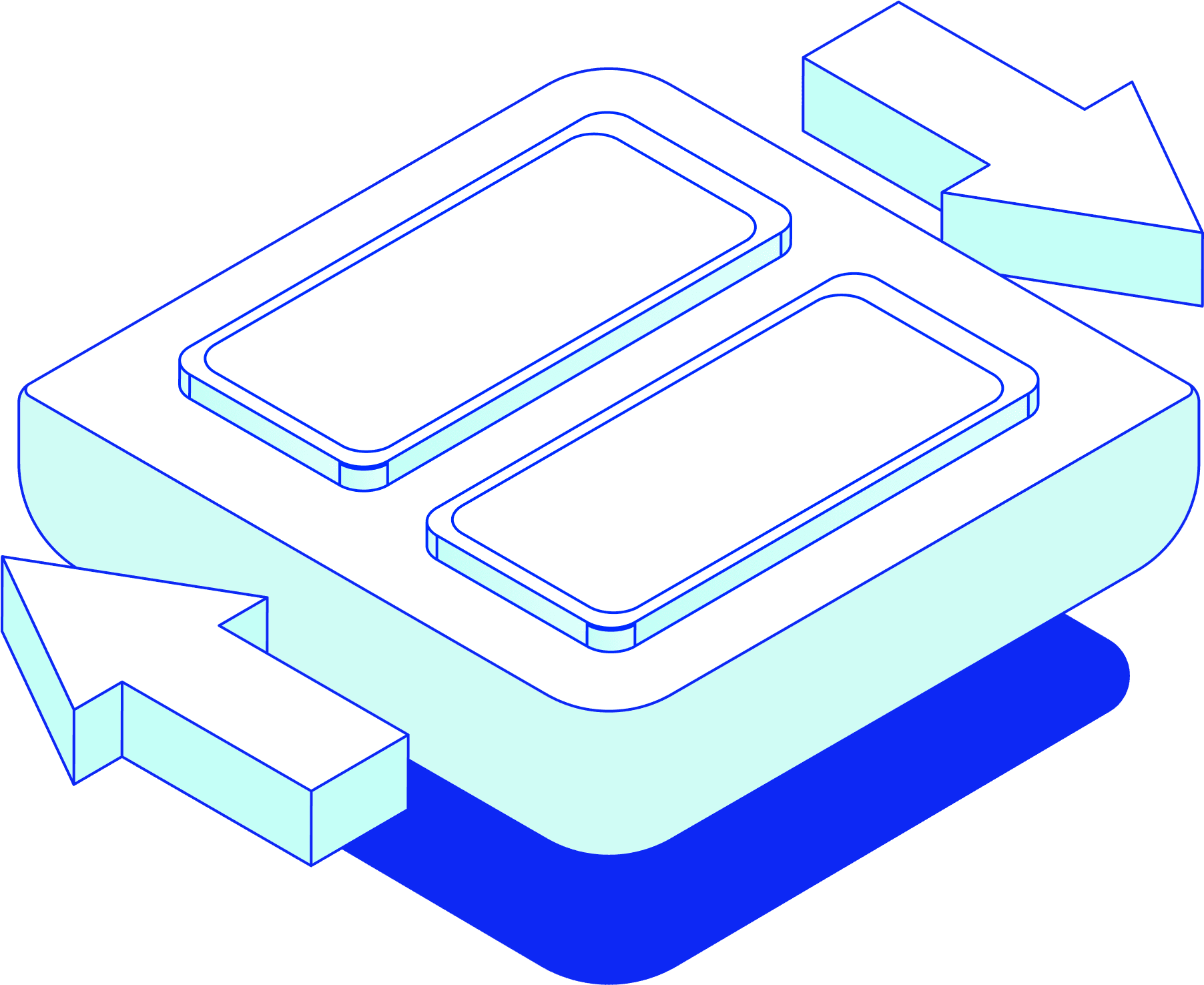
An event stream between departments and organisations
Signals travel peer-to-peer to the organisations entitled to them, encrypted per field, with no broker or hub you have to trust.
- 03

An audit trail of every exchange
Who shared which signal, with whom, when and on which mandate is recorded in a tamper-evident audit trail, so the receiver knows where a signal came from and a supervisor can check the exchange afterwards.
Why neither a central database nor manual sharing works
Manual sharing keeps data private, but each organisation only sees its own piece. A central platform sees everything, but every participant has to hand its data to one operator. mintBlue lets signals flow between organisations as they happen, with proof of who shared what, when and on which mandate. With multi-party computation on the same event stream, organisations can also match cases without exchanging lists.
Sharing signals with proof of origin removes that trade-off.
Manual Processes & Centralised Platforms
- Each organisation sees only its own fraud signals
- Privacy protection either too high (preventing legitimate sharing) or too low (vendor sees everything)
- Who shared what, and on which mandate, is hard to reconstruct afterwards.
- Does not scale. More authorities means more bilateral agreements and more overhead.
mintBlue
- Signals shared between organisations, each signed by the organisation that shared it.
- Only the signal travels; the case file stays with the organisation that holds it.
- A tamper-evident audit trail of who shared what, when and on which mandate.
- Scales with the number of participating organisations.

Share this with your board
Fraud signals that respect the boundaries they cross
The full story on one page your board can read in a minute.
Two champion one-pagers, fraud signals and photo provenance, in one email. · Book a briefing
Share this with your board
Fraud signals that respect the boundaries they cross
The full story on one page your board can read in a minute.
Two champion one-pagers, fraud signals and photo provenance, in one email. · Book a briefing