TECH POLICY
Data Interoperability & Blockchain: Explorations Beyond Borders
Data interoperability is the ability to access and process data from multiple sources without losing meaning and then integrate that data for mapping, visualization, and other forms of analysis.
RB
Rachel Byfleet
Content Lead
September 3, 2024
What Is Data Interoperability?
Data interoperability is the ability to access and process data from multiple sources without losing meaning and then integrate that data for mapping, visualisation, and other forms of analysis. It is the ability to join up data from different sources to help create more holistic information for better decision-making and accountability. Take healthcare data as an example: if doctors are uploading and accessing patient information in different platforms, they need to be able to read and access that data without changing the meaning. By linking and utilising data from several industries, governments can use data to its full potential -- especially as data and evidence is the backbone of policy-making.
Interoperability is a characteristic of good quality data, and it relates to broader concepts of value, knowledge creation, collaboration, and fitness-for-purpose. -- Luis Gonzalez, UNSD
Regional, National, & Global Perspectives
In 2017, the Data Interoperability Collaborative, co-governed by the Global Partnership for Sustainable Development and the UN Statistics Division, released a framework to enhance data interoperability globally. The EU has proposed the Interoperable Europe Act as a comprehensive solution to create an interconnected data sharing network, setting out a European Interoperability Framework that defines guidelines, common principles, and recommendations for public administrators. The National Interoperability Framework Observatory implements this framework, providing tools for countries to stay informed about data interoperability. Operationally, this means existing national frameworks will align with European frameworks to allow cross-border information sharing, promoting collaboration and cutting costs.
Pros & Cons of the EU's Approaches
Data interoperability between countries improves efficiency, allows access to more data, and fosters collaboration. It also spreads resources, allowing less wealthy countries access to data regardless of economic circumstances. However, the more data is free-flowing, the harder it is for citizens to track where their personal data ends up, requiring alignment with GDPR. Increased interconnection raises the risk of cybersecurity threats, demanding tight restrictions and robust governance. And cross-border legal and regulatory challenges make international compliance no small feat.
- Data protection: Harder to track personal data across borders
- Cybersecurity: Interconnected systems increase attack surface
- Legal complexity: Cross-border regulatory compliance challenges
Data Interoperability & Blockchain
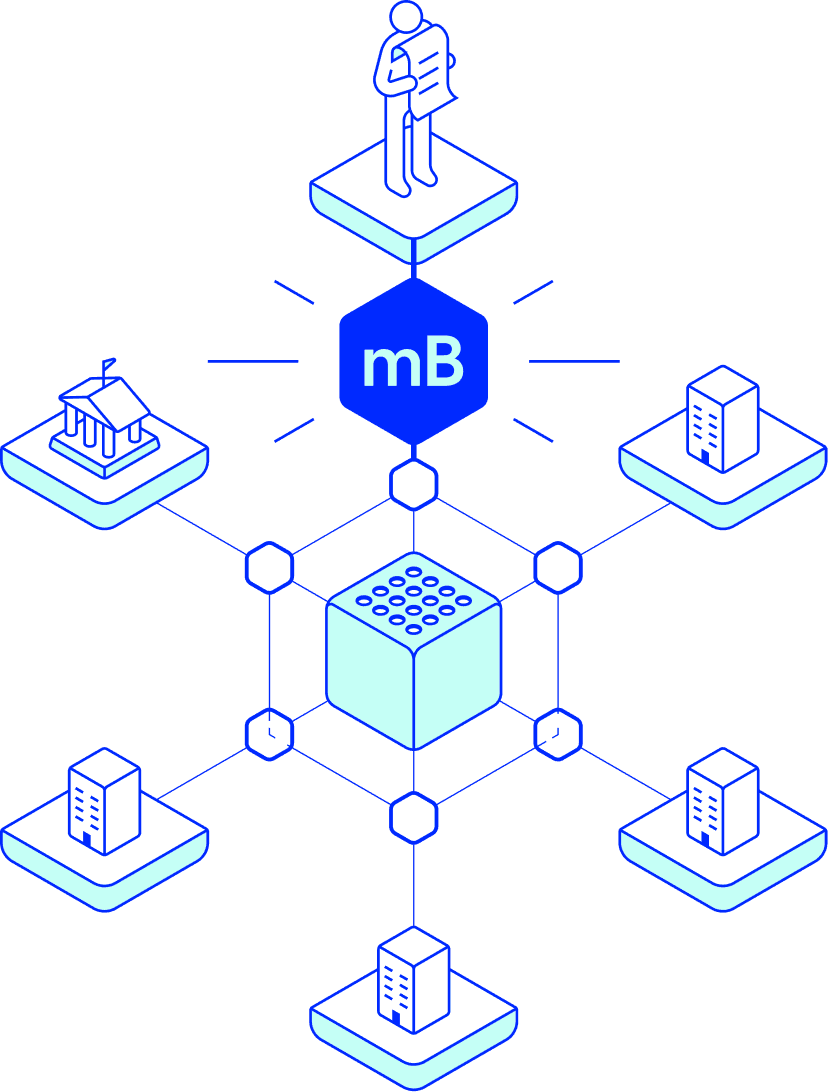
Blockchain provides a decentralised and secure platform for integrating several different datasets into one reliable system. Through leveraging cross-chain communication protocols, various blockchain networks can collaborate and facilitate efficient data processing. Smart contracts created on one platform can work and utilise data from other compatible systems, facilitating cross-organisational collaboration. Electronic health records provide a great example: by using blockchain for EHRs, patients in the EU could access a single, unified health record shareable with healthcare providers across the region, ensuring data operates smoothly across borders and different healthcare systems.
Key Insight
Blockchain's cross-chain communication protocols enable smart contracts to work across platforms, facilitating seamless cross-organisational data exchange.
Conclusion
It's an exciting time for data interoperability, especially as the European Interoperability Act comes into play. Regardless of where we live, our data is one of the most valuable assets we have, and it is crucial that, as citizens, we have a say in where and how it's managed. Blockchain provides the ideal technical foundation for achieving the EU's digital goals while maintaining security and user control.